
Meet the Founder
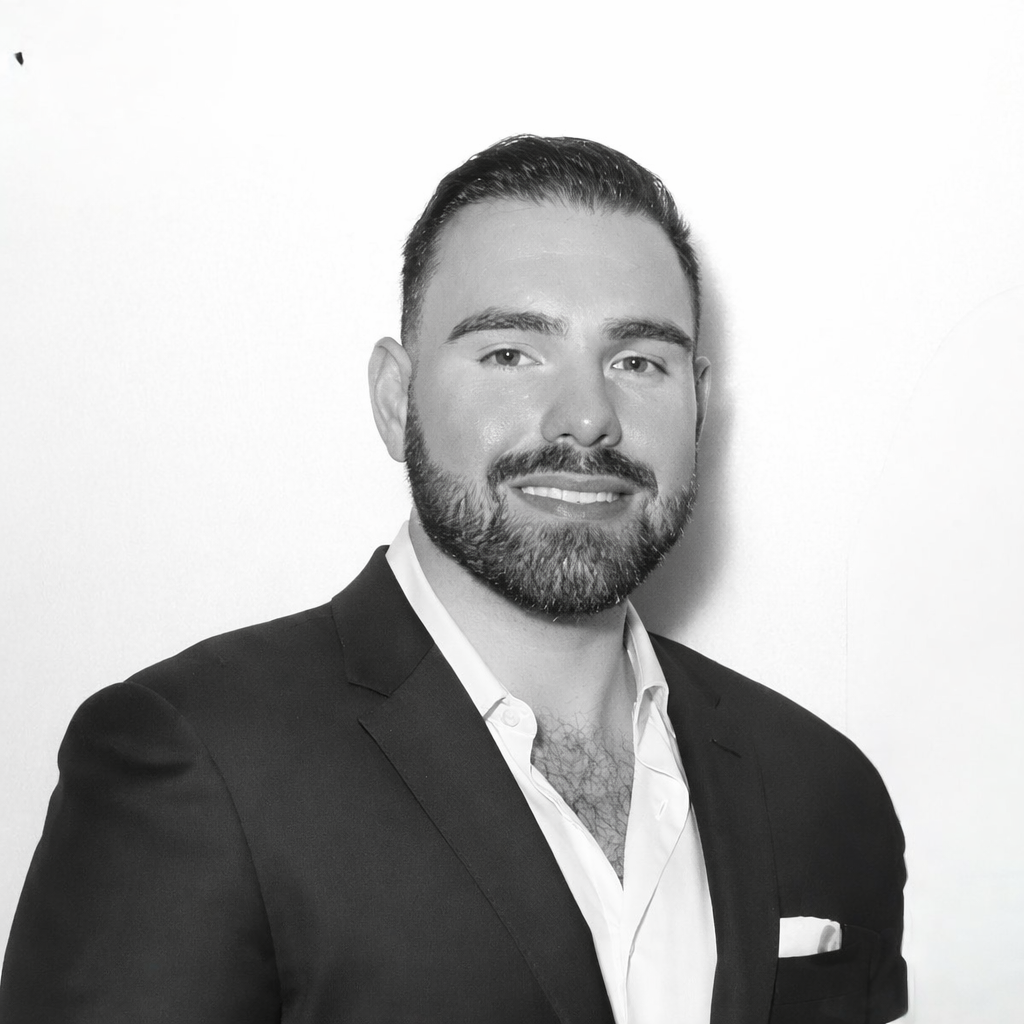
Musa Resuljani, LCSW
Founder & Clinical Director
Musa Resuljani founded CityZen Psychotherapy after years of experience working across child welfare settings, hospital-based community mental health clinics, LGBTQ+ community services, and private practice.
Across these settings, he witnessed firsthand how deeply committed clinicians often worked within systems that made sustained, evidence-based care difficult. High caseloads, brief appointments, lack of resources, and limited supervision left little room for thoughtful treatment planning or professional growth.
CityZen was built to offer a different approach. The practice was founded on a simple belief: effective therapy requires time, clinical rigor, and accountability. Meaningful change happens when compassionate care is paired with thoughtful treatment planning, evidence-based practice, and ongoing professional development.
As Clinical Director, Musa is committed to cultivating a culture of supervision, ethical clarity, and professional development. His long-term vision is to build a team of clinicians who combine warmth with precision.
Musa earned his Master’s in Clinical Social Work from Fordham University, where his academic achievement earned him an invitation to Phi Kappa Phi Honor Society. He has also completed post-graduate training in EMDR (EMDR-PT) and advanced complex trauma treatment (CCTP-II).
In his clinical work, Musa specializes in working with individuals impacted by complex trauma, childhood emotional neglect, attachment wounds, and identity-related concerns. He has a particular interest in the intersection of cultural expectations, family dynamics, and personal authenticity. His approach integrates trauma-informed and neurobiology-informed care to help clients develop awareness of longstanding patterns, reshape implicit emotional learning, and align their lives more closely with their values.
Musa has particular experience working with LGBTQ+ individuals and first-generation clients and understands the complexities that can arise when identity, family expectations, and cultural values intersect. His work aims not only to reduce symptoms, but to help clients build greater self-understanding, flexibility, and capacity for meaningful, lasting change.